The History of Cocktails: From Classics to Modern Craft
Every cocktail on the Tikibus menu has a family tree. The Lime Daiquiri descends from centuries of rum-and-citrus experimentation. The Whiskey Sour traces back to 19th-century American saloons. Even the most original signature drink in Canggu tonight owes something to a bartender who worked a century before it.
Understanding the history of cocktails does not just satisfy curiosity. It helps you appreciate why a well-made drink tastes the way it does — and what separates craft from convention.
The Earliest Mixed Drinks
The impulse to combine liquids for flavour and effect is ancient. Long before anyone used the word cocktail, civilisations were blending fermented drinks with spices, herbs, and sweeteners.
In medieval Europe, ale and mead were routinely flavoured with botanicals. When Arab traders brought distillation techniques westward, monks refined the process and produced the first liqueurs — concentrated spirit infused with herbs and sugar. By the 16th century, mixed drinks sweetened with sugar and spiced with aromatic additions were fashionable across the continent.
These were not cocktails in the modern sense. But they established the core logic: spirit plus modifier plus balance.
Punch: The Original Group Drink
Punch is arguably the most important ancestor of modern cocktails. It originated in India, where a five-ingredient formula became the template — spirit, sugar, citrus, water, and spice. When British traders and colonisers encountered it in the 17th century, they brought the concept home.
Punch spread through European high society and across the Atlantic to colonial America. The spirit changed depending on geography: arak in India, rum in the Caribbean and British colonies, brandy in France. The structure stayed the same.
What punch established was the idea of balance as a deliberate act. A good punch required judgment — how much acid to cut through the sugar, how much dilution to open the spirit. These are still the questions a mixologist asks when building any drink.
American Taverns and the Birth of the Cocktail
The word “cocktail” appears in American print for the first time in 1806. It described something specific: a spirit, bitters, water, and sugar. Simple, direct, and meant to be drunk quickly.
Colonial American taverns were the laboratories of this new culture. Flips combined spirit with beer, eggs, and spice. Slings mixed spirit with sugar and water. Toddies warmed the body with heated spirit and honey. The mint julep emerged in the American South as a morning ritual before becoming a symbol of Southern hospitality.
By the mid-19th century, bartending had become a recognised craft. Jerry Thomas — sometimes called the father of American mixology — published the first bartending guide in 1862, documenting dozens of recipes and establishing the idea that behind the bar was a skilled professional, not just a pourer.
The 19th Century: Ice, Carbonation, and the Modern Cocktail
Four technical developments in the 1800s changed cocktails permanently.
Artificial carbonation (developed in the 1760s but commercialised in the 19th century) made fizzy drinks possible at scale. The commercial ice trade made chilled drinks widely available. Mechanical refrigeration improved ingredient preservation. And continuous distillation produced cleaner, more consistent spirits.
Ice, in particular, was transformative. Chilling a drink does not just make it cold — it changes the texture, slows the release of volatile aromatics, and controls dilution as the ice melts. Every shaken or stirred cocktail today depends on this understanding.
The late 1800s were the golden age of classic American bartending. Drinks like the Manhattan, the Old Fashioned, and the Daiquiri were either invented or refined in this period.
Prohibition and the Speakeasy Era
The United States banned alcohol from 1920 to 1933. The effect on cocktail culture was paradoxical: rather than eliminating drinking, Prohibition drove it underground and accelerated innovation.
Speakeasies operated in basements, back rooms, and unmarked buildings. The illicit spirits available were often of poor quality, which pushed bartenders to mask the taste with bold citrus, bitters, and sugar. The Bee’s Knees and the Sidecar were born partly out of necessity — get the flavour right and nobody notices what is underneath.
Prohibition also scattered American bartenders across Europe, where they found better ingredients and more adventurous clientele. The resulting cross-pollination introduced American cocktail technique to London, Paris, and beyond.
When Prohibition ended in 1933, the cocktail did not return to what it had been. It came back more sophisticated and more global.
The Mid-Century Pause and the Craft Renaissance
The decades after World War II were not kind to cocktails. Mass production, convenience culture, and the dominance of blended spirits flattened the category. The Martini became a corporate ritual. Cocktail books from the 1960s and 70s are full of cream-based combinations that prioritised novelty over craft.
The revival began quietly in the 1990s and accelerated through the 2000s. Bartenders started looking backward — studying Jerry Thomas, reviving forgotten recipes, sourcing quality ingredients. The word “craft” entered the bar vocabulary. Ice became an obsession again: large-format cubes, hand-carved spheres, clear blocks made with directional freezing.
The craft cocktail renaissance restored the idea that balance, technique, and ingredient quality are what separate a good drink from a forgettable one.
Classic Cocktail Structures That Still Define the Menu
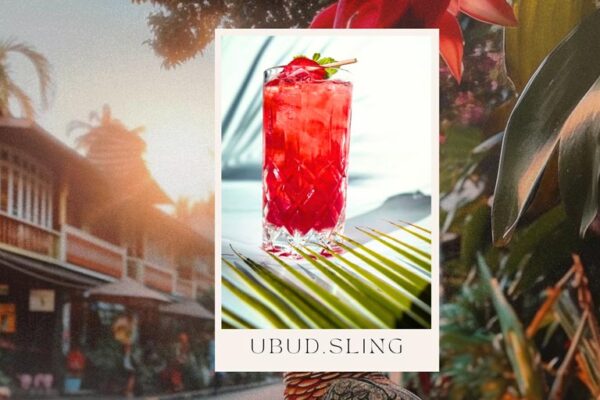
The history of cocktails is also a story of recurring structures. The sour — spirit, citrus, sweetener — appears in the Daiquiri, the Whiskey Sour, the Gimlet, and the Sidecar. The sling — spirit, liqueur, citrus, soda — gave us the Singapore Sling and inspired the Tikibus Berawa Sling. The highball, the Old Fashioned, the fizz: each is a template that bartenders have adapted for two centuries.
Understanding these templates explains why a well-made cocktail feels balanced even when you cannot identify all the components. The proportions have been tested and refined over generations.
How This History Shapes What Tikibus Serves
The Tikibus menu in Canggu is built on this foundation. The classic cocktails — Cosmopolitan, Lime Daiquiri, Whiskey Sour, Mojito — are on the menu because they work. They have survived long enough to prove their quality.
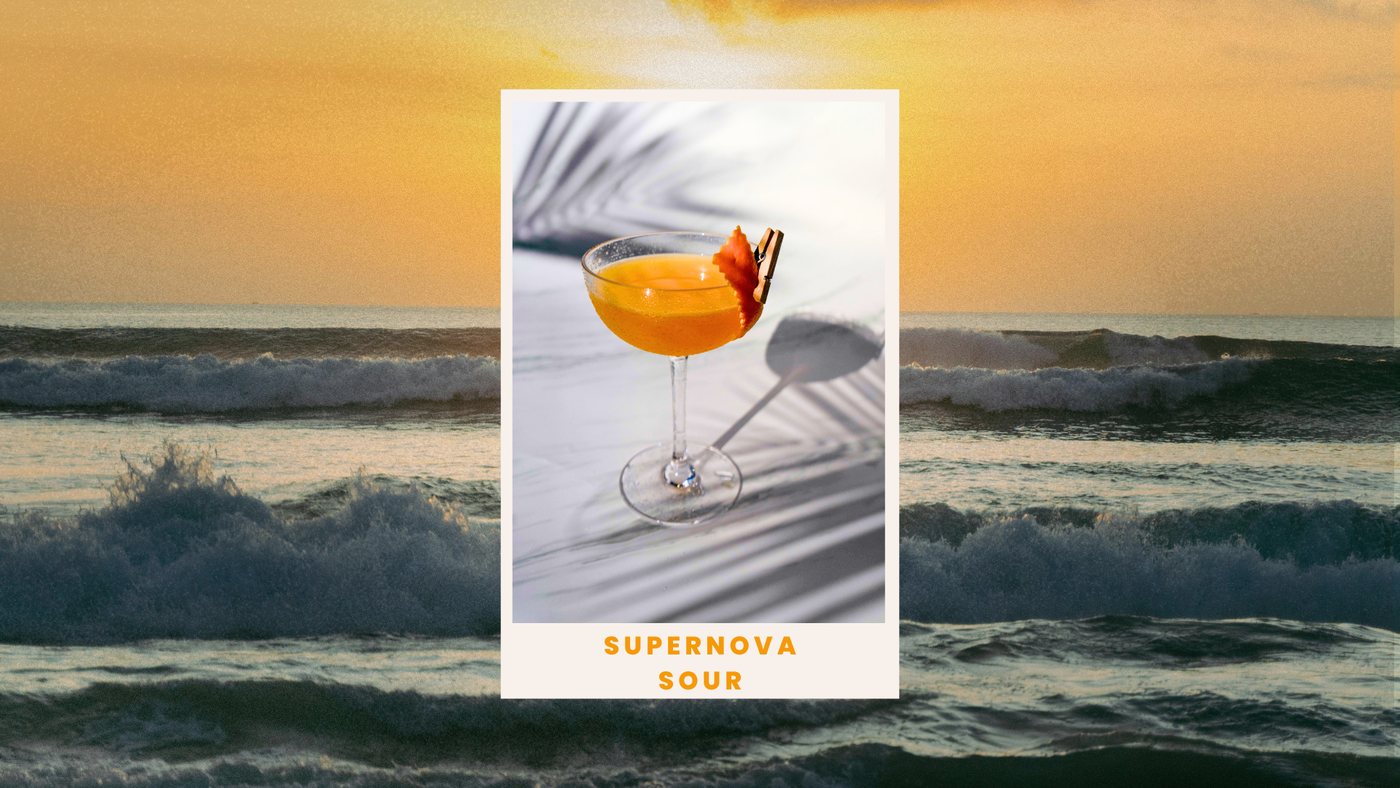
The signature drinks extend that logic into something more specific to the Tikibus experience. The Berawa Sling borrows the sling structure and reinterprets it. The Supernova Sour applies the sour template with its own proportions. The Cucumber Gimlet and Apple Pie are originals that use the same underlying discipline.
What ties all of them together is the approach: proper technique, fresh ingredients, and the understanding that a drink is not finished until every element is in balance.
If you want to see these drinks in context, the full Tikibus menu and packages explains what is available across both the À La Carte and All-Inclusive options. And if you are curious about the specific cocktails the mixologist makes on board, the story behind the Tikibus signature cocktails covers each one in detail.
For a broader look at where to drink in the area, the guide to cocktail bars in Ubud covers the wider scene.
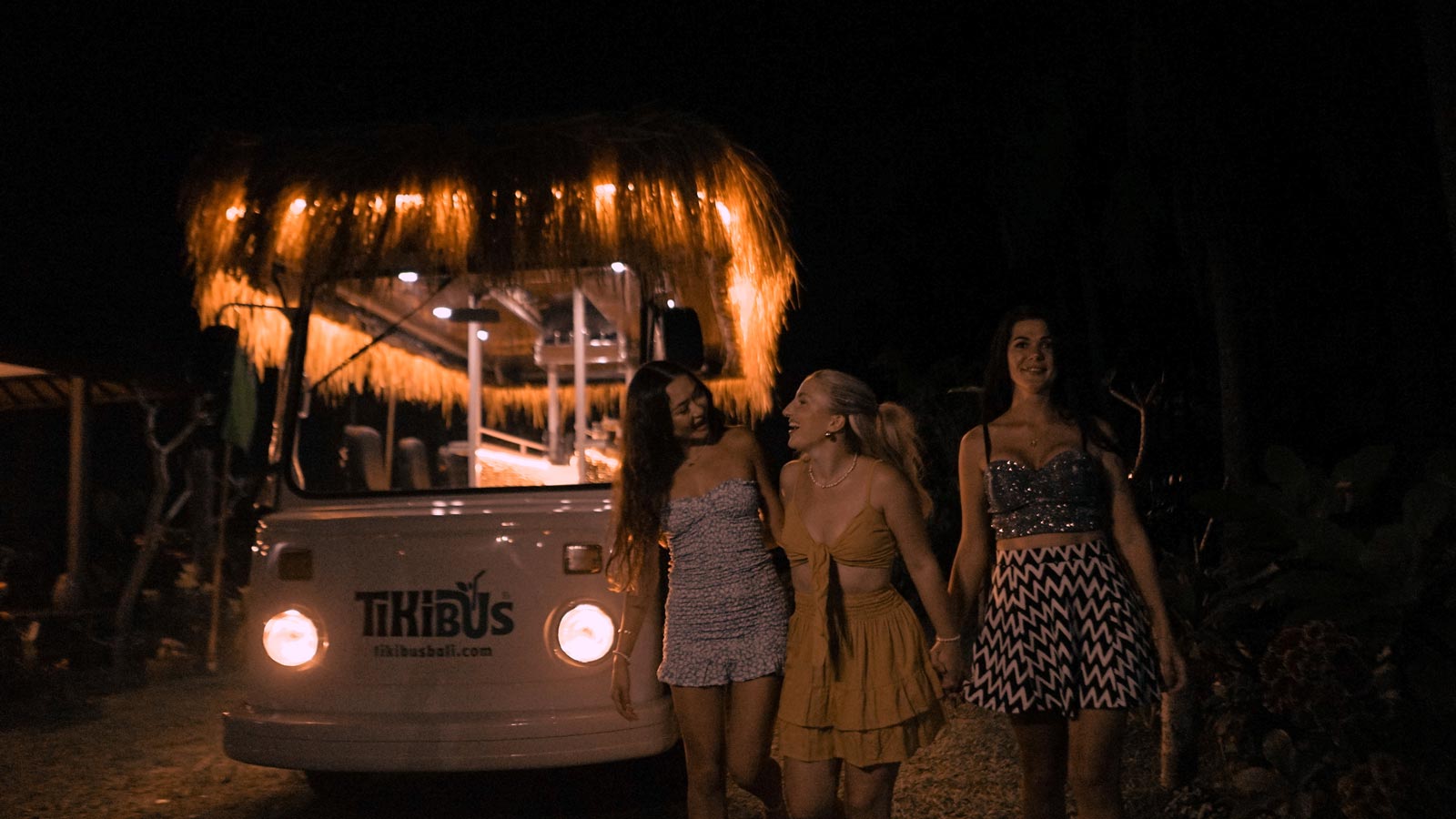
The Tikibus departs from Berawa, Canggu at 14:00, 16:00, 18:00, 20:00, and 22:00 daily, with the All-Inclusive experience at $34 per person. Book via WhatsApp. The drinks are ready.
Ready to ride?
Hop on the Tikibus in Berawa, Canggu and discover Bali with a cocktail in hand.