Ubud Monkey Forest: Your Complete Visitor Guide

The Sacred Monkey Forest Sanctuary sits at the southern edge of central Ubud, and it earns every bit of its reputation. Towering tropical trees filter the light, stone-carved temples appear around mossy corners, and roughly 700 long-tailed macaques go about their day with zero interest in impressing you. It is one of those rare attractions that actually lives up to the photos — if you know what to expect and how to prepare.
This guide covers everything worth knowing before you go, from the temples inside the forest to practical tips that keep your visit safe and stress-free. And if you want to end a day in Ubud the right way, we have a suggestion for that too.
What Is the Sacred Monkey Forest Sanctuary?
The full name — Sacred Monkey Forest Sanctuary, locally called Mandala Wisata Wenara Wana — signals that this is not a zoo or a theme park. It is a protected nature reserve and active place of Hindu worship that has stood in Ubud for centuries. The forest spans several hectares of dense jungle in the heart of town, maintained by the local village community.
Three temples are tucked within the grounds. Pura Dalem Agung Padangtegal, the largest, serves as a place of worship and is decorated with detailed stone carvings. Pura Beji sits near a stream and is associated with purification. Pura Prajapati, quieter and more solemn, is connected to cremation ceremonies. Visitors are welcome near the temple exteriors; dress modestly and follow any signage about restricted areas.
The Macaques: What to Know Before You Enter
The long-tailed macaques (Macaca fascicularis) are the undisputed stars. They roam freely across the walking paths, the temple grounds, and the treetops above. A few things worth knowing:
- They are wild animals. Playful behaviour can turn quickly if a monkey feels threatened or senses food. Keep a calm, unhurried presence.
- Secure your belongings. Sunglasses on your head, earrings, water bottles, and snacks are all targets. Use a bag that zips shut and keep your phone in your pocket when you are not actively using it.
- Do not bring outside food. The sanctuary sometimes sells approved food near the entrance. Bringing your own snacks increases the chance of an unwanted close encounter.
- Do not make direct eye contact or bare your teeth. Both gestures read as aggression to macaques.
- If one jumps on you, stay still. Sanctuary staff are nearby and experienced at gently encouraging monkeys to move along.
Following these simple rules makes the difference between a frustrating visit and a genuinely memorable one.
Walking the Forest Trails
The main loop through the sanctuary takes around 30 to 45 minutes at a relaxed pace. Paved paths wind past the three temples and through the densest sections of jungle, where the tree roots are enormous and the shade is complete even at midday.
Smaller side paths branch off the main route. These are worth exploring if you want a quieter experience — fewer visitors tend to venture away from the primary circuit. You will find stone carvings half-hidden in the undergrowth, small shrines, and spots where the sound of a nearby stream rises above the rest of the forest noise.
Wear closed-toe shoes with grip. Some sections of path are uneven or slippery after rain, and sandals make navigating the roots more difficult than it needs to be.
When to Visit
Early morning is the best window. The sanctuary opens before most tour groups arrive, temperatures are cooler, and the light through the canopy is genuinely beautiful. Aim to be at the entrance by 8 AM if you can manage it.
Midday is the busiest period. The heat also tends to push the macaques into rest mode, so you will see less activity from them and more activity from other visitors.
Late afternoon is a solid second choice. The crowds thin out, the light softens, and the monkeys tend to become more active again as temperatures drop.
The dry season — roughly April through October — makes for easier walking and more comfortable conditions overall, though the sanctuary is open and worth visiting year-round.
Practical Tips Before You Go
- Check official opening hours and entrance fees directly with the sanctuary before your visit, as these details are subject to change.
- Dress appropriately. A sarong is often required near temple areas; some are available to borrow or rent at the entrance.
- Bring a hat and water. The forest itself provides good shade, but the walk from accommodation and the entrance area can be exposed.
- Go without excessive jewellery. Shiny objects catch macaque attention quickly.
- Photography is generally permitted. Avoid flash near the monkeys, and respect any signage around the temples.
What Else Is Worth Seeing in Ubud
The Monkey Forest sits in central Ubud, which means many of the area’s best sights are within easy reach. The Ubud Palace and its adjacent market are a short walk north. The Campuhan Ridge Walk starts just west of town and offers a completely different kind of Ubud experience — open air, quieter, and with views across the valley.
For more ideas on how to fill a day, the Ubud attractions guide covers the major sights, and the hidden gem guide goes deeper into spots that most visitors miss entirely.
End the Day on a Tikibus
Ubud is a perfect place to spend the daylight hours. When the sun starts to drop, the smart move is to make your way toward the coast — specifically to Canggu, where Tikibus Bali runs departures from mid-afternoon until 22:00.
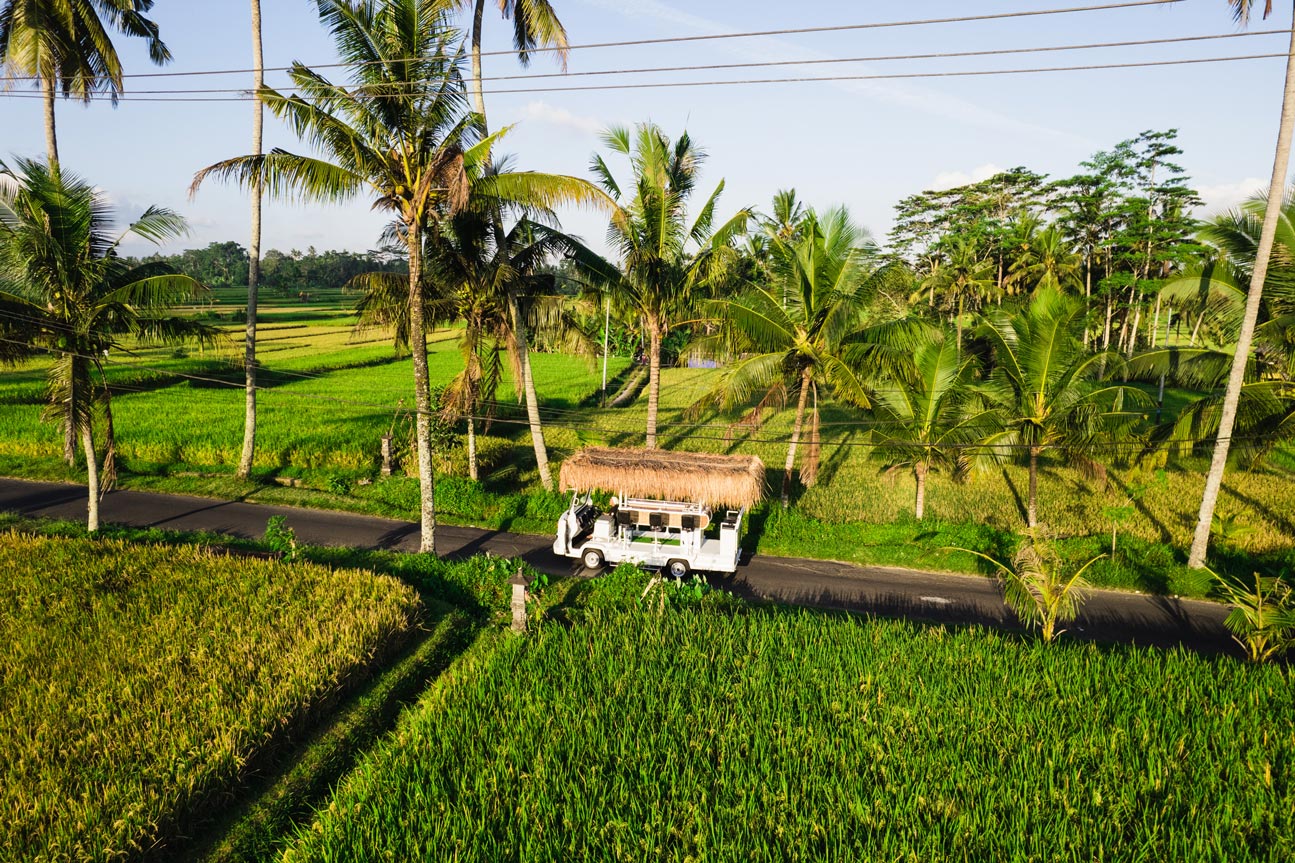
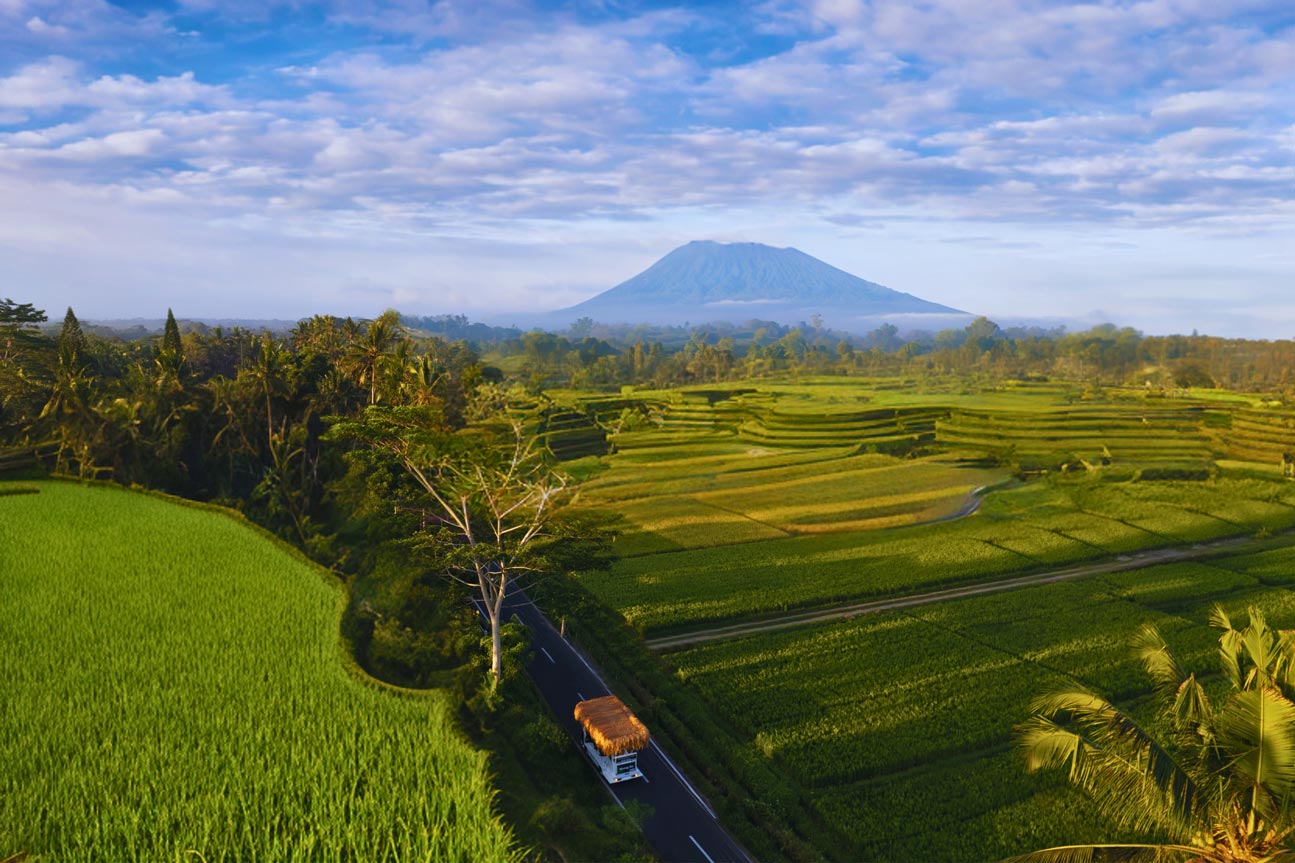
Tikibus is a mobile cocktail bar built on a bus. A dedicated onboard mixologist serves craft cocktails and mocktails while the bus moves through the streets, and the whole experience runs about 90 minutes. Departures leave at 14:00, 16:00, 18:00, 20:00, and 22:00, so there is a tour that slots neatly after a full afternoon in Ubud regardless of when you arrive back on the coast.
The All-Inclusive package at $34 covers unlimited cocktails, mocktails, snacks, and the sound system. The A La Carte option is $10 admission with a two-drink minimum and drinks ordered individually. Both packages are paid on the spot by cash or Visa. Booking is through WhatsApp, and groups are up to 10 guests per bus (two buses for larger groups), which keeps the atmosphere genuinely intimate.
A day in the Ubud Monkey Forest followed by a Tikibus evening in Canggu is a hard combination to beat.
Ready to ride?
Hop on the Tikibus in Berawa, Canggu and discover Bali with a cocktail in hand.