Bali Trip Tips: Make Every Day Count

Bali rewards the curious. It punishes the over-planner. Get the basics right — timing, regions, transport, etiquette — and the island does the rest. These Bali trip tips will help you build days you actually remember, rather than days you survived.
Know Your Regions Before You Book
Bali is not one place. The south coast, the highlands, and the surf-town northwest all feel like different islands. Knowing what each region offers changes how you structure your time.
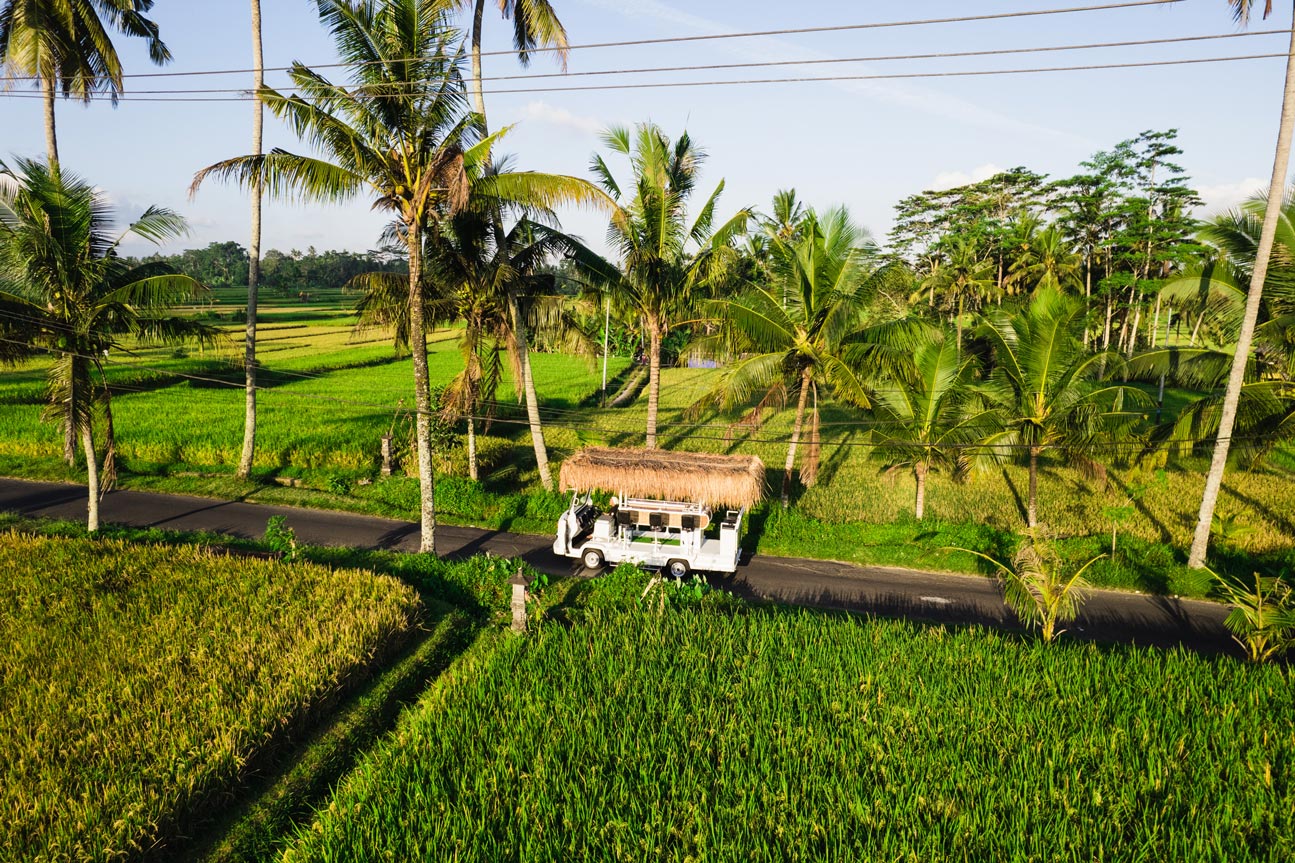
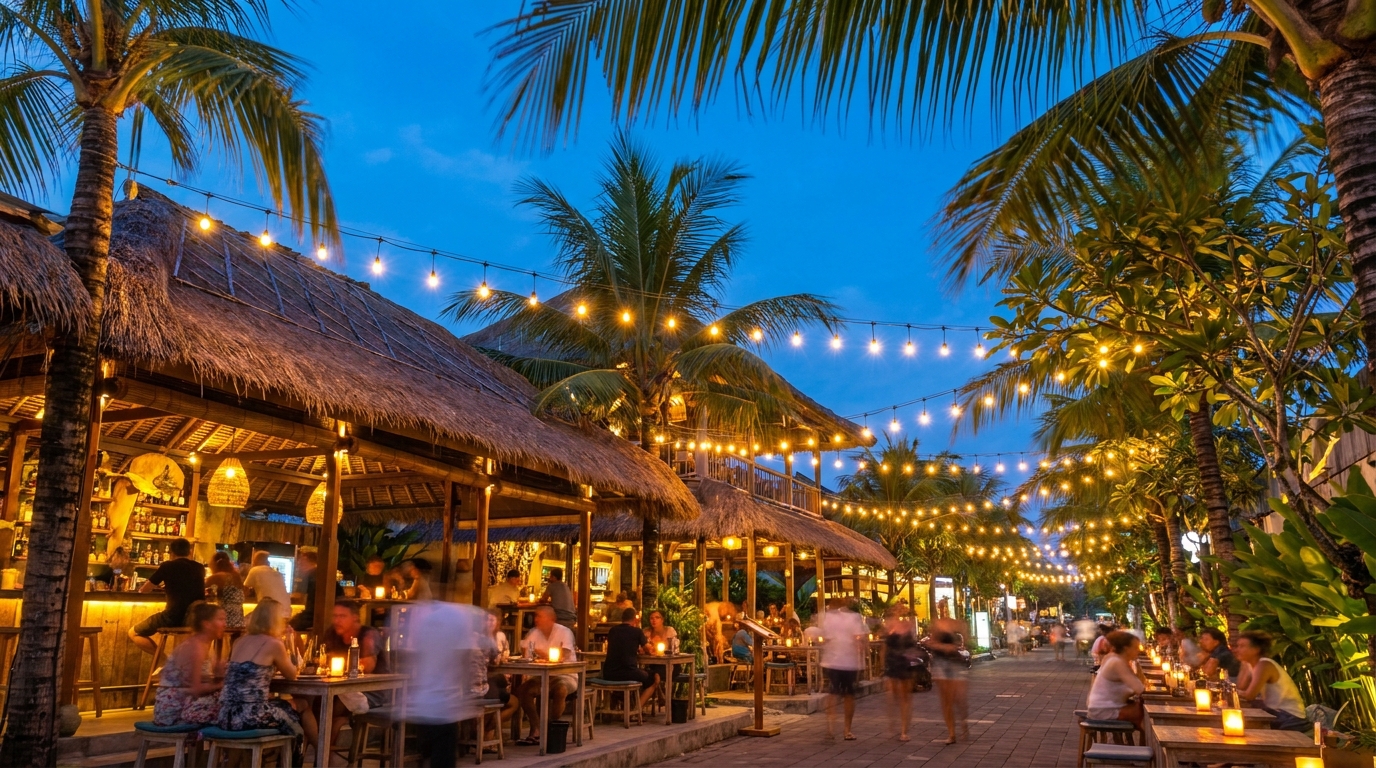
- Canggu: Low-key surf town turned creative hub. Beach clubs, excellent coffee, rice paddies within walking distance of boutique stays. Tikibus is based here — this is your evening anchor.
- Seminyak: Polished and social. Upscale dining, well-known beach clubs, and a well-worn strip for nightlife.
- Uluwatu: Clifftop temples, world-class surf, dramatic ocean views. Further from the north, worth a dedicated day trip.
- Ubud: Bali’s cultural and artistic heartland. Rice terraces, galleries, traditional dance performances, and day hikes. About 1.5 to 2 hours from Canggu by car depending on traffic.
Most visitors base themselves in one region and day-trip from there. Canggu works well as a base if you want beach access by day and a social scene in the evening.
Dry Season vs. Rainy Season: What Actually Matters
The dry season runs roughly from April through October. Days are clear, humidity is lower, and beach conditions are generally good. May, June, and September hit the sweet spot — fewer peak-season crowds, reliable weather.
July and August are peak months: more visitors, higher accommodation prices, busier roads. If you are travelling then, book well ahead.
The rainy season runs from November through March, with December and January being the wettest months. Rain typically falls in intense afternoon or evening bursts rather than all day. Mornings are often clear. The landscape turns deep green and waterfalls run at full strength.
For a deeper look at what to do when the skies open, read our guide on monsoon magic and enjoying Bali’s rainy season.
Build Your Itinerary Around What You Actually Want
The most common mistake is trying to do too much. Two or three days per region is more satisfying than a rushed lap of the island.
Suggested Structure for 7 to 10 Days
- Days 1 to 3 — Canggu and surrounds: Decompress. Hit the beach, eat well, sort your bearings. Take a Tikibus tour one evening to see the area from a different angle.
- Days 4 to 5 — Day trip to Ubud: Tegalalang rice terraces, the Monkey Forest, galleries, a traditional dance performance. Hire a driver or use Grab.
- Days 6 to 7 — Uluwatu: Pura Luhur Uluwatu at sunset, Padang Padang beach, good surf spots.
- Days 8 to 9 — Seminyak or Nusa Penida: Beach clubs and fine dining, or a boat trip to see the dramatic coastline and marine life off Nusa Penida.
For a detailed day-by-day breakdown of Ubud in particular, see our Ubud itinerary for first-time visitors.
Getting Around Without Losing Half Your Day
Traffic in south Bali is real. Factor it into every plan.
Scooter rental is the most flexible option for short distances and quieter roads. Expect to pay in the range of 60,000 to 100,000 IDR per day. Always wear a helmet. An International Driver’s Permit is required to ride legally.
Grab and Gojek are the reliable ride-hailing apps on the island. Grab cars are comfortable and drivers generally speak enough English to navigate. Gojek’s motorbike option is faster in congested areas.
Private driver is worth it for full-day trips — particularly to Ubud or Uluwatu. A full day typically starts around 200,000 to 400,000 IDR depending on distance and negotiation. You get flexibility without the stress of navigating unfamiliar roads.
Plan early starts for temple visits and rice terrace walks. Midday sun is intense and the best light is in the morning anyway.
Cultural Etiquette Worth Knowing
Balinese Hinduism shapes daily life on the island. A little awareness goes a long way.
- Cover shoulders and knees at temples. Sarongs are often available at the entrance.
- Do not step on or disturb the small offerings (canang sari) placed on the ground. They are sacred and placed fresh each day.
- Use your right hand when giving or receiving objects.
- Remove your shoes before entering homes or temple inner courtyards.
- Keep voices low and behaviour calm around active ceremonies.
None of this is difficult. Locals notice and appreciate the effort.
Eating and Drinking in Bali
The food is one of the best things about Bali, and it is accessible at every price point. Local warungs serve Nasi Campur and other Balinese staples for a few dollars. The south has a strong international dining scene with a huge range of cuisines.
Drink bottled water. Avoid ice of uncertain origin. This is standard advice and still good advice.
For drinks, Bintang beer is the ubiquitous local option. Fresh coconut water is excellent everywhere. If you want craft cocktails without hunting for a bar, see the next section.
End Your Evening on the Tikibus
Here is a Bali trip tip most guides miss: the best way to see Canggu and the surrounding area at night is from the top of a bus with a cocktail in hand.
Tikibus is a mobile cocktail bar built on a bus, based in Berawa, Canggu. An onboard mixologist serves craft cocktails and mocktails while guests take in the scenery. Tours run for around 90 minutes with up to 10 guests per bus. It is a genuinely social experience — the kind that turns a good holiday into a memorable one.
Departures run daily at 14:00, 16:00, 18:00, 20:00, and 22:00. The All-Inclusive package is $34 and covers unlimited cocktails, mocktails, snacks, the sound system, and free WiFi. The A La Carte option is $10 admission with a two-drink minimum, drinks paid per item. Both packages are paid on the spot — cash or Visa — and booking is through WhatsApp.
See the full packages and menu for what is currently on offer.
A Few Practical Notes
- Currency: Indonesian Rupiah (IDR). Carry cash for markets, warungs, and smaller vendors. ATMs attached to major banks are reliable.
- Tourist tax: As of February 2024, international visitors pay a 150,000 IDR levy on arrival, separate from any visa fees.
- Health: Use mosquito repellent, especially in the evenings. Consider checking current vaccination recommendations before you travel.
- SIM card: Pick one up at the airport on arrival. Local data is cheap and essential for maps and ride-hailing.
Bali is best approached with a loose plan and a willingness to slow down when something catches your attention. Fill your days with the places and people that interest you, then let the evening sort itself out on the Tikibus.
Ready to ride?
Hop on the Tikibus in Berawa, Canggu and discover Bali with a cocktail in hand.